
The Nature of Luck in Gambling
Luck is often described as an unpredictable force that influences outcomes in gaming, particularly in casinos, where australia online casino options showcase the excitement of chance. In the realm of gambling, it refers to the chance element that determines the results, and this variable can significantly impact a player’s experience. While skill and strategy can play a pivotal role in certain games, the inherent randomness of luck often overshadows these factors. This unpredictable nature is what makes gambling both thrilling and frustrating for many players.
For instance, consider the game of roulette. Players can place bets on specific numbers or colors, but the outcome is largely dictated by the spin of the wheel and the falling ball—elements that are entirely controlled by luck. Similarly, in slot machines, players may choose their preferred games and strategies, but the outcomes are determined by the machine’s random number generator. This randomness is a crucial aspect that players must accept, often leading them to reflect on their perceptions of control within this space.
Ultimately, understanding the nature of luck in gambling allows players to temper their expectations. Acknowledging that luck is not a skill but rather an unpredictable element can help players maintain a healthy mindset about their gambling habits. It can lead to a more enjoyable experience, where players focus on entertainment rather than solely on winning or losing. This perspective is essential for developing a balanced approach to casino gaming, enabling players to enjoy the thrill of the game without succumbing to the pressures of outcome-based thinking.
The Psychology of Luck in Gaming
The psychology surrounding luck in gambling is a complex phenomenon that influences how players engage with games. Many gamblers tend to attribute wins to their own skills or strategies while blaming losses on bad luck. This cognitive bias, often referred to as the “self-serving bias,” helps players maintain a sense of control, even in inherently random situations. Understanding this psychological tendency can provide insights into why people often take irrational risks during play, as they may overestimate their influence over outcomes.
Moreover, the illusion of control is a significant factor in how players perceive luck. This illusion manifests when players believe they can influence outcomes through their choices, such as selecting specific numbers in a lottery game or adopting a particular betting strategy in poker. Although skill can play a role in certain games, the randomness of luck remains a crucial element that can undermine this perception of control. Recognizing the limits of personal influence can lead to healthier gambling behaviors and reduce the likelihood of chasing losses.

Lastly, the concept of “hot” and “cold” streaks in gambling highlights how psychological perceptions of luck can shape a player’s experience. Players often feel they are on a “lucky streak” after a series of wins, leading them to increase their bets, while experiencing a “cold streak” can result in frustration and withdrawal. These patterns create emotional highs and lows, directly affecting a player’s decision-making process. Understanding these psychological effects of luck can be beneficial for players looking to navigate the ups and downs of casino gaming more effectively, allowing them to make more rational choices amid the emotional rollercoaster.
Luck vs. Skill: A Delicate Balance
In the world of casino gaming, the relationship between luck and skill is nuanced and often debated. Certain games, like poker or blackjack, allow for skillful play that can potentially minimize the role of luck. In these games, a player’s understanding of strategy, probability, and psychology can influence their success. However, even the most skilled players cannot entirely eliminate luck from the equation, as random events can drastically change the outcome of the game, emphasizing the unpredictable nature of gambling.
On the other hand, games of chance, such as slots or roulette, rely predominantly on luck. In these cases, no amount of skill or strategy can alter the outcome, putting players entirely at the mercy of random chance. Understanding the difference between these two categories of games is essential for players hoping to increase their chances of success. It enables them to choose games that align more closely with their skill sets and comfort levels regarding risk, fostering a more informed and satisfying gaming experience.
This delicate balance between luck and skill is an essential consideration for anyone interested in casino gaming. For example, players who enjoy high-skill games may experience a greater level of satisfaction when they succeed through strategy, while those drawn to games dependent on luck may find amusement in the sheer unpredictability. Recognizing personal strengths and preferences can help players make informed choices that enhance their overall gaming experiences, allowing for enjoyment while acknowledging the role of chance.
The Role of Chance in Casino Business Models
Understanding the role of luck not only enhances the player experience but also plays a critical role in the broader casino business model. Casinos are built around the concept of chance, where the house edge ensures that, over time, the casino is likely to profit from a large volume of bets. This statistical advantage stems from the random outcomes inherent in all casino games, allowing the casino to offer entertainment while maintaining profitability. The design of games often reflects this balance, ensuring that the odds favor the house while still providing excitement for players.
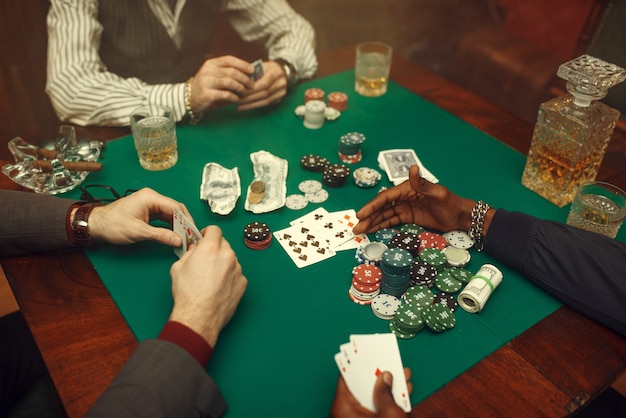
Moreover, the marketing strategies employed by casinos often harness the allure of luck to entice players. Promotions highlighting big jackpots or lucky winners tap into the psychological attraction of chance, encouraging players to believe that they too may experience a life-changing win. This dynamic creates a cycle where the thrill of potential gains keeps players returning for more, reinforcing the casino’s profitable business model centered around luck. This relationship between marketing and chance is a key component of the casino’s success, as it continuously draws in new players and keeps existing ones engaged.
Finally, responsible gambling initiatives underscore the importance of understanding luck within the casino environment. By promoting awareness of the risks associated with gambling, casinos aim to protect players from the potential negative consequences of relying solely on luck. Educating players about the role of chance and the importance of moderation not only fosters a healthier gaming environment but also aligns with the ethical considerations that modern casinos are increasingly prioritizing. This focus on responsible gaming is essential in creating a sustainable business model that benefits both the casino and its patrons.
Conclusion: Navigating Luck in Casino Gaming
Ultimately, understanding the role of luck in casino gaming is crucial for anyone looking to engage in this form of entertainment. By recognizing that luck is an unpredictable force that can significantly affect outcomes, players can better navigate their experiences. This understanding encourages a more balanced approach, allowing players to appreciate the thrill of chance while acknowledging its limitations. Embracing this perspective can transform gambling from a purely outcome-driven activity into an enjoyable pastime.
Moreover, the insights into the psychological aspects of gambling can promote healthier habits. By being aware of cognitive biases, illusions of control, and the emotional highs and lows associated with luck, players can cultivate a more mindful gaming experience. They can focus on the enjoyment of the games rather than the singular pursuit of winning, which can lead to a more satisfying experience overall. This mindful approach not only enhances the enjoyment but also promotes responsible gaming practices.
As players journey through the world of casino gaming, embracing the unpredictability of luck can enhance their enjoyment and foster a deeper appreciation for the complexities of chance. By understanding the integral role luck plays and how it interweaves with skill, psychology, and business models, individuals can approach gaming with clarity and confidence, ultimately enriching their casino experiences. This comprehensive understanding empowers players to enjoy the thrill of the game while maintaining a healthy perspective on the role of luck.
Recent Comments