
The Importance of Skill in Card Games
Skill is undeniably a pivotal factor in determining the outcomes of card games, playing a significant role in a player’s probability of winning. At the heart of many card games lies a strategic component that requires players to make informed decisions based on their cards and the actions of their opponents. For instance, in games such as poker, the ability to understand probabilities, interpret opponents’ behaviors, and strategically bluff can greatly influence a player’s success, especially when engaging with platforms like rocket casino real money that offer real stakes. This highlights how skill can often eclipse luck, underscoring its necessity for those aiming for consistent wins.
Moreover, players with advanced skills can manipulate the game dynamics to tilt the odds in their favor. By employing diverse strategies that align with their unique playing styles, they can leverage their knowledge of game mechanics to predict outcomes with greater accuracy. For instance, distinguishing between average players and experts often hinges on the adeptness at applying advanced techniques in games like bridge or blackjack. In essence, the more a player comprehends and utilizes their skills, the better their chances of securing victories, demonstrating the profound impact of skill within competitive card environments.
Additionally, the ongoing development of one’s skills is vital for sustained success. The most accomplished card players dedicate time to regular practice, critically analyze their previous games, and actively seek constructive feedback. This commitment to continuous learning enables them to adapt to evolving game environments and the diverse strategies employed by their opponents. Consequently, it becomes evident that honing one’s skills is not merely advantageous but essential for serious players aspiring to improve their winning chances over time.
Luck vs. Skill: Finding the Balance
The interplay between luck and skill in card games is often the subject of lively debate among enthusiasts. While the luck of the draw can dictate the cards dealt to a player in any given game, it is ultimately skill that defines how effectively a player can utilize those cards to their advantage. For example, a player might receive a strong hand, but without the requisite skill to maximize that hand’s potential, they could easily fall victim to a more seasoned opponent. This reality accentuates the necessity of skill to navigate the inherent randomness of card distribution.
Furthermore, experienced players frequently adopt a “long-term” approach, where skill becomes increasingly critical over multiple rounds of play. In the short term, a player might experience an unexpected streak of good fortune, yet over extended play, those armed with greater skill consistently outperform their less skilled counterparts. This principle is particularly evident in tournament settings, where short-term luck may level the playing field, but skillful players tend to rise to the top over the course of the competition.
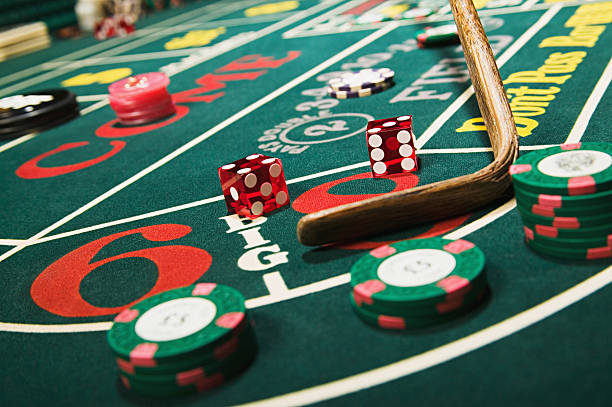
Ultimately, the most effective approach to card games necessitates a blend of both luck and skill. While players cannot control the randomness that luck introduces, they can focus on enhancing their skill sets. By understanding the delicate balance between these two elements, players can empower themselves to improve their performance and increase their chances of achieving success in various card games.
Enhancing Your Card Game Skills
To genuinely improve one’s skills in card games, a dedicated approach to studying and practicing is essential. Engaging in diverse learning methods—such as reading strategy books, watching instructional videos, or participating in discussions with fellow players—can yield valuable insights. Numerous resources delve into critical strategies and tactics that can elevate a player’s game. For instance, grasping the concepts of pot odds and expected value in poker not only enhances decision-making abilities but also contributes to long-term success.
Moreover, consistent practice is paramount for skill enhancement. Actively participating in local games, online platforms, or even casual matches can provide the practical experience necessary for growth that theoretical knowledge alone cannot offer. As players confront real-time situations, they cultivate a deeper understanding of in-game dynamics and enhance their adaptability to various opponents. This experiential learning reinforces strategic concepts while nurturing a player’s intuition during gameplay.
Finally, players should prioritize critically analyzing their performances. After each game, reflecting on key decisions and outcomes fosters a better understanding of effective strategies and areas needing improvement. Keeping a detailed journal of past games can unveil recurring patterns in play styles or mistakes that warrant correction. This reflective practice is crucial for transforming initial skills into a refined approach, ultimately leading to superior performance in card games.
The Role of Psychology in Card Games
The impact of psychology on the outcomes of card games is profound, intertwining seamlessly with both skill and luck. Players must adeptly manage their own emotional states and decision-making processes while simultaneously interpreting the psychological cues presented by their opponents. The capacity to read body language, facial expressions, and betting patterns can provide a significant advantage during gameplay. For example, a poker player who detects a “tell” from an opponent may make more informed decisions, thereby enhancing their chances of winning.

Furthermore, psychological resilience is crucial in high-stakes games. The ability to maintain composure under pressure, recover from setbacks, and remain focused can have a direct impact on a player’s performance. Skilled players often develop mental strategies to counteract stress and anxiety, enabling them to make rational decisions, regardless of external circumstances. This mental fortitude becomes an invaluable asset, particularly during lengthy tournament sessions where fatigue and stress can hinder performance.
Lastly, the social dimensions of card games can profoundly influence players’ psychological states. Building rapport with opponents and engaging in friendly rivalries can alter the dynamics of the game. For instance, fostering a competitive spirit with fellow players can motivate individuals to refine their skills. Thus, psychology plays a pivotal role in card games, demonstrating that achieving victory involves more than mere knowledge and skill; it requires a comprehensive understanding of both oneself and others.
Explore More About Card Games on Our Website
Our website serves as a dedicated resource for both novice and seasoned card players looking to enhance their gameplay. From insightful articles that cover various card game strategies to expert advice on developing specific skills, we offer an extensive array of information designed to help you master the art of card playing. Our content is meticulously crafted, drawing upon a wealth of knowledge in gameplay mechanics and player psychology, equipping you with the tools needed to gain a competitive edge.
We also foster a vibrant community where players can interact with one another, share their experiences, and seek feedback on their playing styles. Interactive elements, such as forums and live discussions, provide ample opportunities for learning and personal growth. Whether you aim to refine your skills, comprehend the nuances of specific card games, or simply connect with fellow enthusiasts, our website stands as a comprehensive hub for all things related to card gaming.
In conclusion, whether you’re eager to sharpen your strategic thinking, enhance your psychological resilience, or engage with a community of passionate players, we invite you to explore our resources and elevate your card game experience. With the right combination of skill development, practice, and psychological awareness, you can significantly enhance your chances in card games and enjoy them to their fullest potential.
Recent Comments